Showing posts with label Medicinal Herbs. Show all posts

Tuesday, June 5, 2012

How To Clean and Season Old, Rusty Cast Iron Skillets

Was so excited to see this Post!
 Thanks Sheri Langley Simpson. :)
I love cast iron cooking... 
If you find skillets or pots that look like this 
snatch em up, they are very fixable! SRN

Follow link below for full article...

Dsc_0997_rect540
http://www.apartmenttherapy.com/how-to-clean-and-season-old-ru-151535

Wednesday, May 30, 2012

Coffee and Your Health- Good News!

I love my morning Coffee...
sometimes I can't wait to 
go to bed just knowing
 I'll be sipping my dark
 nutty and creamy 
coffee in the morning!
                                (No Sugar, only half and half) 

 Say it’s so, Joe: 
The potential health benefits -- and drawbacks –- of coffee.

According to:
WebMD: Better information. Better health.
http://www.webmd.com/food-recipes/features/coffee-new-health-food

10 Health Benefits of Avocados


I can live with Avocados and all their health benefits...

Yes, everyday if I must! SRN


Eat This!  Health Food and Nutrition for Optimal Health
benefits of avocados
http://www.healthdiaries.com/eatthis/10-health-benefits-of-avocados.html

How to Ripen an Avocado


Ripening an avocado can be done in the same way that you ripen bananas.
Place the avocado in a paper bag with an apple, banana, or tomato.
Fold the bag closed and leave it to sit on the counter overnight.

The ethylene gas in the other fruit will cause the avocado to ripen in about 24 hours.

If you don't have other fruit to put in the bag with the avocado, you can put it in the bag by itself and it will ripen, but not as fast as if you'd put the fruits in with it.

Another method for ripening avocados is to bury them in a sack of flour overnight or place them in a paper bag with some flour. I haven't tried this method but many people swear by it.

Happy avocado eating!

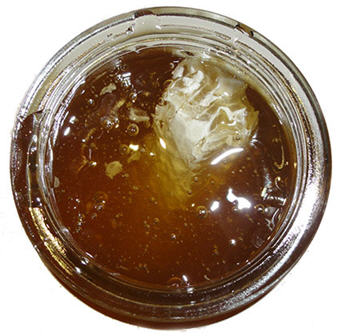
Benefits of Honey


benefits of honey image
http://www.benefits-of-honey.com/


Don't you just want to pick up one of these honey cones and take a bite! SRN


benefits of honey image

Diabetic's and Honey...

Is Honey Allowed in Diabetic Diet?


I've never been a big honey lover until recently. 
I bought some honey from a gentleman 
up here for my husband. 
I tried some and fell in love, 
it's amazing. But being Diabetic 
I'm pretty sure it's on the,
"Don't Enjoy List"
diabetic diet image
http://www.benefits-of-honey.com/diabetic-diet.html

Sunday, May 27, 2012

8 Ways to Eat and Enjoy Dandelion


We love dandelions at our house. 

Very informative article... SRN

Taraxacum officinale ~ Dandelion

I love and appreciate dandelion.  As an herbalist, I know the many ways dandelion can benefit your health, it’s one of my favorite herbs.

Yet, until I became interested in homesteading, I can’t say that I ever considered ways to eat and enjoy dandelion.  I had no idea what I was missing!  Our fore-mothers made regular use of foraged herbs and were skilled in identifying what was edible and what wasn’t.  There was no “organic section” and many times, no grocery store to depend on back then.  I am often in awe of how intelligent and skilled the women of past generations really were.

Untreated dandelion is plentiful in my area, why not look for a way to use it?  Every part of the plant can be used, it’s organic and full of vitamins and minerals!  (When harvesting dandelion, look for young ones.)

When I look out back at acres of the stuff, I can’t help but wonder how to make use of this free and organic food source!

Dandelion includes:

One of the richest sources of beta caroteneof all herbs (10161 IU per 100g, which is
 338 percent of the RDA) Numerous flavonoids,
 including FOUR times the beta carotene of broccoli;
 also lutein, cryptoxanthin and zeaxanthin
 
Possibly the HIGHEST herbal source of vitamin K 1
providing 650 percent of the RDA Vitamins, 
 including folic acid, riboflavin, pyroxidine,
 niacin, and vitamins E and C Great source of minerals,
 including magnesium, calcium, potassium, manganese, 
and iron Leaves rich in dietary fiber,
 as well as a good laxative.


Dandelion leaves can be used in salads, soups, juiced, cooked the same way as spinach, or dried (with flowers) to make dandelion tea. The root can be dried and roasted and used as a coffee substitute, and the flowers can be used to make dandelion wine.  (The greens can be sauteed with olive oil and onion to add to eggs for a wonderful frittata! KM)
Dandelions are known for the following therapeutic properties:
  • Laxative and diuretic; useful for premenstrual bloating and edema.
  • Normalizing blood sugar and cholesterol (dandelion root).
  • Tonic; appetite stimulant and a good general stomach remedy.
  • Liver cleanser; remedy for liver and gall bladder problems ( I have personally used dandelion root to keep my grumpy gall bladder under control).
  • Agent for treating burns and stings (inside surface of flower stems)
  • Leaves are known to help with anemia, again, personal experience speaking. KM.
Dandelions also have antiviral effects so may be useful in combating herpes and AIDS. For more information on the nutritional and medicinal properties of dandelions, go to this article by Leaf Lady.  
Be careful not to confuse dandelion plants with Hawksbeard, which can look very similar. Hawksbeard won’t kill you, but it certainly doesn’t offer the great nutritional benefits of dandelion. Here is a video showing how to tell them apart.  (source)

In my quest to make dandelion our latest culinary delight, I found more ways to eat and enjoy dandelion that you can shake a stick at!  Here’s a few…
* Batter Fried Dandelion Blossoms (my neighbor recommends this!)
Have YOU ever eaten dandelion?  Do you have a favorite recipe or story about it to tell and share?

Thursday, May 24, 2012

Common essential oils

Essential oils

By Joseph Alton, M.D. and Amy Alton, A.R.N.P.

As a medical doctor/registered nurse practitioner team, we received conventional medical training at university hospitals while getting our degrees. Since that time, however, we have explored various alternative methods of healing; this is not to replace our education, but as a supplement and as an additional tool in the medical woodshed.

One class of alternative remedies that are commonly used is essential oils. These substances are called "essential" because they capture the "essence" of the plant. Unlike cooking oils, such as olive or corn, these oils are less fixed and more volatile. That means that they tend to evaporate easily, unlike the "fixed" oils, which don't evaporate even in high temperatures. As such, essential oils are popular in aromatherapy.

Although you might not realize it, you've been using essential oils all your life. You've no doubt used them in soaps, furniture polishes, perfumes, and ointments. Although it only takes a few leaves of peppermint to make a tea, it takes five pounds of leaves to make one ounce of essential oil. One source states that it takes an entire acre of peppermint to produce just 12 pounds of oil. The same source says that 12,000 rose blossoms are required to produce a tablespoon of rose oil! These concentrated versions are the ones you see marketed in small, dark bottles.

You might be surprised to learn that the Food and Drug Administration only requires 10% essential oil in the bottle to be considered "Pure Essential Oil." Beware of claims of FDA certification; the FDA has no certification or approval process for these products.

Essential oils are produced by plants to serve as either an attractant to pollinator insects (hence their strong fragrance) or as a repellent against invading organisms, from bacteria to animal predators. These substances usually contain multiple chemical compounds, making each plant's essential oil unique. Oils may be produced by leaves, bark, flowers, resin, fruit, or roots. For example, lemon oil comes from the peel, lavender oil from flowers, and cinnamon oil from bark. Some plants are sources of more than one essential oil, dependent on the part processed. Some plant materials produce a great deal of oil; others produce very little. The strength or quality of the oil is dependent on multiple factors, including soil conditions, time of year, sub-species of plant, and even the time of day the plant is harvested.


Essential oils are commonly used in alternative remedies. They are called "essential" because they capture the "essence" of the plant.

How it is made

As each essential oil has different chemical compounds in it, it stands to reason that the medicinal benefits of each are also different. As such, an entire alternative medical discipline has developed to find the appropriate oil for the condition that needs treatment.

The manufacture of essential oils, known as "extraction," can be achieved by various methods:

Distillation method: Using a "still" like old-time moonshiners, water is boiled through an amount of plant material to produce a steam that travels through cooled coils. This steam condenses into a "mixture" of oil and water (which doesn't really mix) from which the oil can be extracted.

Pressing method: The oils of citrus fruit can be isolated by a technique which involves putting the peels through a "press." This works best only with the oiliest of plant materials, such as orange skins.

Maceration method: A fixed oil (sometimes called a "carrier" oil) or lard may be combined with the plant part and exposed to the sun over time, causing the fixed oil to become infused with the plant "essence." Oftentimes, a heat source is used to move the process along. The plant material may be added several times during the process to manufacture a stronger oil. This is the method by which you obtain products such as "garlic-infused olive oil." A similar process using flowers is referred to as "enfleurage."

Solvent method: Alcohol and other solvents may be used on some plant parts, usually flowers, to release the essential oil in a multi-step process.


Although you might not realize it, you've been using essential oils all your life. You've no doubt used them in soaps, furniture polishes, perfumes, and ointments.

How to administer

The method of administration may differ, as well. Common methods include:

Inhalation therapy: This method is also known as "aromatherapy." Add a few drops of the essential oil in a bowl of steaming water (distilled or sterilized), and inhale. This method is most effective when placing a towel over your head to catch the vapors. Many people will place essential oils in potpourri or use a "diffuser" to spread the aroma throughout the room; this technique probably dilutes any medicinal effects, however.

Topical application: The skin is an amazing absorbent surface, and using essential oils by direct application is a popular method of administration. The oil may be used as part of a massage, or directly placed on the skin to achieve a therapeutic effect on a rash or muscle. Before considering using an essential oil in this manner, always test for allergic reactions beforehand. Even though the chemical compounds in the oil are natural, that doesn't mean that they couldn't have an adverse effect on you (case in point: poison ivy).

A simple test involves placing a couple of drops on the inside of your forearm with a cotton applicator. Within 12-24 hours, you'll notice a rash developing if you're allergic. Mixing some of the essential oil with a fixed or "carrier" oil such as olive oil before use is a safer option for topical use. Another concern, mostly with topically-applied citrus oils, is "phototoxicity" (an exaggerated burn response to sun exposure).
I have some reservations about whether applying an essential oil on the skin over a deep organ, such as the pancreas, will have any specific effect on that organ. It is much more likely to work, however, on the skin itself or underlying muscle tissue.


Inhalation therapy

Ingestion: Direct ingestion is unwise for many essential oils, and this method should be used with caution. Most internal uses of an essential oil should be of a very small amount diluted in at least a tablespoon of a fixed oil such as olive oil. Professional guidance is imperative when considering this method. You can always consider a tea made with the herb as an alternative. This is a safer mode of internal use, although the effect may not be as strong.

Essential oils have been used as medical treatment for a very long time, but it's difficult to provide definitive evidence of their effectiveness for several reasons. Essential oils are difficult to standardize, due to variance in the quality of the product based on soil conditions, time of year, and other factors that we mentioned above. An essential Eucalyptus oil may be obtained from Eucalyptus Globulus or Eucalyptus Radiata, for example, and have differing properties as a result. These factors combine to make scientific study problematic.

In most university experiments, a major effort is made to be certain that the substance tested caused the results obtained. As essential oils have a number of different chemicals and are often marketed as blends, which ingredient was the cause of the effect? If the oil is applied with massage, was the effect related to the oil itself or the therapeutic benefit of the physical therapy?

The majority of studies on essential oils have been conducted by the cosmetics and food industries; some have been conducted by individuals or small companies. Standard studies for medicinal benefit are usually performed by the pharmaceutical industry, but they generally have little interest in herbal products. This is because they have few options in patenting these products. Therefore, serious funding is hard to find because of the limited profit potential. Despite this, essential oils have various reported beneficial effects, mainly based on their historical use on many thousands of patients by alternative healers.

Common essential oils

Although there are many essential oils, a number of them are considered mainstays of any herbal medicine cabinet. Here are just some:


Although it only takes a few leaves of peppermint to make a tea, it takes five pounds of leaves to make one ounce of essential oil.

Lavender oil: An analgesic (pain reliever), antiseptic, and immune stimulant. It is thought to be good for skin care and to promote healing, especially in burns, bruises, scrapes, acne, rashes, and bug bites. Lavender has a calming effect, and is used for insomnia, stress, and depression. It has been reported effective as a decongestant through steam inhalation. Lavender oil may have use as an antifungal agent, and may be used for Athlete's foot or other related conditions.

Eucalyptus oil: An antiseptic, antiviral, and decongestant (also an excellent insect repellent), Eucalyptus oil has a "cooling" effect on skin. It also aids with respiratory issues and is thought to boost the immune system. Consider its use for flus, colds, sore throats, coughs, sinusitis, bronchitis, and hay fever. When exposure is expected, it has been reported to have a preventative effect. Eucalyptus may be used in massages, steam inhalation, and as a bath additive. Although eucalyptus oil has been used in cough medicine, it is likely greatly diluted and should not be otherwise ingested in pure form.

Melaleuca (Tea Tree) oil: Diluted in a carrier oil such as coconut, Tea Tree oil may be good for athlete's foot, acne, skin wounds, and even insect bites. In the garden, Tea Tree oil is a reasonable organic method of pest control. In inhalation therapy, it is reported to help relieve respiratory congestion. Studies have been performed which find it effective against both Staphylococcus and fungal infections. Some even recommend a few drops in a pint of water for use as a vaginal douche to treat yeast. Tea Tree oil may be toxic if used in high concentrations, around sensitive areas like the eyes, or ingested.

Peppermint oil: This oil is said to have various therapeutic effects: antiseptic, antibacterial, decongestant, and anti-emetic (stops vomiting). Peppermint oil is applied directly to the abdomen when used for digestive disorders such as irritable bowel syndrome, heartburn, and abdominal cramping. Some herbalists prescribe peppermint for headache; massage a drop or two to the temples as needed. For sudden abdominal conditions, achy muscles or painful joints, massage the diluted oil externally onto the affected area. As mentioned previously, definitive proof of the topical application effects on deep organs is difficult to find.

Lemon oil: Used for many years as a surface disinfectant, it is often found in furniture cleaners. Many seem to think that this disinfecting action makes it good for sterilizing water, but there is no evidence that it is as effective as any of the standard methods of doing so, such as boiling. Lemon oil is thought to have a calming effect; some businesses claim to have better results from their employees when they use it as aromatherapy. Don't apply this oil on the skin if you will be exposed to the sun that day, due to possible phototoxicity.

Clove oil: Although thought to have multiple uses as an anti-fungal, antiseptic, antiviral, analgesic, and sedative, clove oil particularly shines as an anesthetic and antimicrobial. It is marketed as "Eugenol" to dentists throughout the world as a natural pain killer for toothaches. A toothpaste can be made by combining clove oil and baking soda; when mixed with zinc oxide powder, it makes an excellent temporary cement for lost fillings and loose crowns. Use clove oil with caution, as it may have an irritant effect on the gums if too much is applied.

Arnica oil: Arnica oil is used as a topical agent for muscle injuries and aches. Thought to be analgesic and anti-inflammatory, it is found in a number of sports ointments. As a personal aside, I have tested this oil on myself, and found it to be effective though not very long lasting. Frequent application would be needed for long term relief. Although some essential oils are excellent as aromatherapy, Arnica oil is toxic if inhaled.

Chamomile oil: There are at least two versions of chamomile oil, Roman and German. Roman chamomile is a watery oil, while German chamomile seems more viscous. Both are used to treat skin conditions such as eczema as well as irritations due to allergies. Chamomile oil is thought to decrease gastrointestinal inflammation and irritation, and is thought have a calming effect as aromatherapy, especially in children.

A typical small essential oil distiller
Geranium oil: Although variable in its effects based on the species of plant used, geranium oil is reported to inhibit the production of sebum in the skin, and may be helpful in controlling acne. Some believe that it also may have hemostatic (blood-clotting) properties, and is often recommended for bleeding from small cuts and bruising. When a small amount of oil is diluted in shampoo, it may be considered a treatment for head lice.

Helichrysum oil: Thought to be a strong analgesic and anti-inflammatory, helichrysum is used to treat arthritis, tendonitis, carpal tunnel syndrome, and fibromyalgia as part of massage therapy. It has also been offered as a treatment for chronic skin irritation.

Rosemary oil: Represented as having multiple uses as an antibacterial, anti-fungal, and anti-parasitic, rosemary oil is proven to control spider mites in gardens. Use a few drops with water for a disinfectant mouthwash. Inhalation, either cold or steamed, may relieve congested or constricted respiration. Mixed with a carrier oil, it is used to treat tension headaches and muscle aches.

Clary sage oil: One of the various chemical constituents of Clary sage has a composition similar to estrogen, and has been used to treat menstrual irregularities, premenstrual syndrome, and other hormonal issues. It is also believed to have a mild anticoagulant effect, and may have some use as a blood thinner. Clary sage also is thought to have some sedative effect, and has been used as a calming agent.

Neem oil: With over 150 chemical ingredients, the Neem tree is referred as "the village pharmacy" in its native India. The majority of Ayurvedic alternative remedies have some form of Neem oil in them. Proven as a natural organic pesticide, we personally use Neem oil in our vegetable garden. Reported medicinal benefits are too numerous to list here and seem to cover just about every organ system. It should be noted, however, that it may be toxic when the oil is taken internally.

Wintergreen oil: A source of natural salicylates, wintergreen oil is a proven anticoagulant and analgesic. About 1 fluid ounce of wintergreen oil is the equivalent of 171 aspirin tablets if ingested, so use very small amounts. It may also have beneficial effects on intestinal spasms and might reduce blood pressure in hypertensives.

Frankincense oil: One of the earliest documented essential oils, evidence of its use goes back 5000 years to ancient Egypt. Catholics will recognize it as the incense used during religious ceremonies. Studies from Johns Hopkins University and Hebrew University state that Frankincense relieves anxiety and depression in mice (how, exactly, was this determined?). Direct application of the oil may have antibacterial and antifungal properties, and is thought to be helpful for wound healing. As a cold or steam inhalant, it is sometimes used for lung and nasal congestion.

Blue Tansy oil: Helpful as a companion plant for organic pest control, Blue Tansy is sometimes planted along with potatoes and other vegetables. The oil has been used for years to treat intestinal worms and other parasites. One of its constituents, camphor, is used in medicinal chest rubs and ointments. In the past, it has been used in certain dental procedures as an antibacterial.

Field of lavender

Oregano oil: An antiseptic, oregano oil has been used in the past as an antibacterial agent. It should be noted that oregano oil is derived from a different species of the plant than the oregano used in cooking. One of the few essential oils that are safe to ingest, it is thought to be helpful in calming stomach upset, and may help relieve sore throats. Its antibacterial action leads some to use the oil in topical applications on skin infections when diluted with a carrier oil. It may reduce the body's ability to absorb iron, so consider an iron supplement if you use this regularly.

Thyme oil: Reported to have significant antimicrobial action, diluted thyme oil is used to cure skin infections, and may be helpful for ringworm and athlete's foot. Thyme is sometimes used to reduce intestinal cramps in massage therapy. As inhalation therapy, it may loosen congestion from upper respiratory infections.

Many essential oils are marketed as blends, such as "Thieves' Oil." This is a combination of clove, lemon, cinnamon bark, eucalyptus, and rosemary essential oils. Touted to treat a broad variety of ailments, studies at Weber State University indicate a good success rate in killing airborne viruses and bacteria. Of course, the more elements in the mixture, the higher chance for adverse reactions, such as phototoxicity.


Tuesday, May 22, 2012

The Top 8 Uses Of Tea Tree Oil

Good Share from: Small town Big Garden


tea tree oil
By
Tea tree essential oil has anti-bacterial, anti-viral, and anti-fungal properties, as well as the ability to stimulate the immune system and eliminate external parasites such as lice and the mites that cause scabies. Studies have indicated that tea tree oil is an excellent disinfectant, and kills more germs than the disinfectants used in hospitals. It can be used in skin care, hair care, and household cleaning, and will even prevent mildew and remove mold. Tea tree oil should not be used full-strength on the skin, but should be diluted with a base oil. It can also be mixed with water, shaken well, and sprayed on surfaces to clean and disinfect; or sprayed on carpets, mattresses, and upholstery to get rid of bedbugs, mites, and fleas (for this last, a 50/50 mix of lavender and tea tree oils will work best, but do NOT use this if you have cats, as getting essential oils on their skin or fur can lead to liver damage and death.) Side note: If you don’t own any tea tree oil but would live to take advantages of its incredible uses, then take a look at the tea tree oil we recommend. 
Tea tree oil has many uses, but here are the top 8:
      • Athlete’s foot: A foot bath containing one cup of epsom salt and 10 drops of tea tree oil will stop an early infection of athlete’s foot in its tracks, and repeating weekly will prevent it from coming back. For more established infections, blend 1 oz. of coconut oil with 1/4 oz of tea tree oil, and follow the foot bath by applying this twice a day for about 4 weeks.
      • Toenail fungus: Using a clean cotton swab, apply a drop of pure tea tree oil to the infected toenail(s) twice daily. (Be careful to only get the oil on the toenail, since the pure oil can be irritating to the skin.)
      • Cold sores: Mix 1 tablespoon of olive or coconut oil with 5 drops of tea tree oil, dip a clean cotton swab in the mixture, and apply directly to the cold sore. Store the remaining mixture in a tightly sealed glass container, and reapply several times a day until the sore is gone. Beginning this treatment at the first tingling sensation that indicates a cold sore is starting will prevent it from even getting bad enough to hurt or scab over. (Do not use tea tree oil inside the nose, and never swallow it. Swallowing even small (a few drops) doses of the oil is toxic, and larger doses can kill.)
        dandruff
      • Acne: Mix 40 drops of tea tree oil with 1 oz of coconut oil in a glass container with a tight fitting lid. Apply lightly to the acne twice a day after cleansing. (Keep well away from the eyes, and test the mixture on the inside of your forearm, waiting for at least 24 hours to make sure there is no reaction before using it on your face or other acne-prone areas.) 
      • Want to get rid of acne? Try this Tea Tree Acne Free Essential Set.
      • Dandruff Using a 5% tea tree oil shampoo has been shown to reduce or eliminate mild to moderate dandruff with regular use. It’s easiest to purchase a shampoo already containing the oil, like this one, but if you prefer to make your own, you can add 40 drops of tea tree oil for each ounce of shampoo base and shake well before each use.Further Reading: The Best Home Remedies For Dandruff – including a tea tree oil dandruff remedy.
      • Cleaning and disinfecting counters, tubs, and tile: Mix 2 teaspoons of tea tree oil with a bit over 1 gallon of water. Mix well, and use to wipe down kitchen counters, tables, bathtubs, tile and floors. (Remix frequently, since the oil and water will separate pretty quickly, and use rubber gloves to prevent skin irritation.)
      • Removing mold and mildew: Add 2 teaspoons of tea tree oil to 2 cups of water in a spray bottle. Shake well and spray on the moldy areas, then wipe away the mold. For heavier mold, or for mildew, you may need to use one of the sponges with the scrubber side to loosen it before wiping it away.
      • Laundry Add 2 teaspoons of tea tree oil to a regular load of laundry to freshen and disinfect. For bedbug or mite infestations, using very hot water with the oil to wash your bedding will kill the pests.
CAUTIONS As with all essential oils, certain precautions need to be taken to avoid serious harm. Here are the three most important cautions to take with tea tree oil.
        1. Pregnant or nursing women, or those with hormone sensitive cancers should avoid tea tree oil.
        2. It is possible to have an allergic reaction to tea tree oil. If you develop a rash or blisters, discontinue use immediately, and see your doctor.
        3. Do not use undiluted tea tree oil on your skin, as it can cause skin irritation, redness, blistering, or itching.

Where To Buy Tea Tree Oil tea tree oil herbal authority

Tea tree oil is one of the most useful essential oils to have in your home for all of your health, beauty and household needs. You can pick it up in your local pharmacy, or you can buy a bottle online. I personally recommend this 2 oz bottle of 100% tea tree oil from Herbal Authority which you can buy on Amazon. What are your favorite uses of tea tree oil? And what is your favorite brand? Share your tips below by leaving a comment.

Two all natural supplements for depression


Click to show "St John's Wort" result 23
by: John McKiernan


(Natural News) When most people believe they are experiencing symptoms of depression the first thing they do is run to the doctor’s office, hoping to be prescribed a pharmaceutical that will magically cure all of their symptoms and make them happy again. Similarly, many doctors are quick to write prescriptions for anti-depressants while neglecting to find the actual root cause of the depression symptoms.
 
The fact is that many people do not respond well to prescribe anti depressants and many others do not respond at all. Prozac, as an example, has only shown to be effective in approximately 10 percent of users. If you do happen to be one of the responders you will be stuck taking your prescription for a long time. If you do decide to stop taking it you will likely experience withdrawals symptoms and depression, as these drugs are designed to create dependence. There is a small percentage of the population that may actually benefit from drugs like Prozac, but for the rest of the people taking them, it only benefits the drug companies.
  
 In place of taking pharmaceuticals there are some natural supplements that can work wonders for depression. The main benefit to using supplements over pharmaceuticals is that they are almost always safer and rarely cause side effects. The same cannot be said for pharmaceutical antidepressants. Two of the most notable supplements in this area include SAMe and St. John's Wort.

SAMe
Discovered in Italy the late 1950's, SAMe or S-Adenosyl methionine, is a combination of ATP and the essential amino acid methionine. Believe it or not, this all-natural depression treatment outsells Prozac in Italy. SAMe has been popular in Europe for the last 20 years. It is clear that the western hemisphere is far behind the rest of the world when it comes to using natural cures.

SAMe is an important molecule that is produced in the body. Some people do not produce enough of it which is a cause of depression. With that said, it makes sense that SAMe may be the only answer for treating depression in certain individuals

 Here's what Dr. George Papakostas, psychiatrist at Harvard Medical School, has to say about SAMe - "it's exciting because [SAMe] works differently than what we have now -- it doesn't seem to be associated with the kind of side effects that FDA-approved treatments for this niche have."

The Benefits of SAMe go beyond treating depression. It is also effective in treating arthritis pain and liver disease.


St. John's Wort
St. John's Wort, from the Hypercium perforatum plant, has been used for centuries to treat depression as well as other health conditions. Although the way this herb interacts with the body is not fully understood, it has shown to be safe and effective for treating mild depression. It is thought to work by stopping serotonin from being reabsorbed by brain cells.

In several studies St. John's Wort has been proven more effective when compared to prescription anti-depressants. St. John's Wort does have a reputation for interacting with prescription drugs so you shouldn't take it while you are taking any prescribed anti-depressants.


First treat the root cause of your depression.
The fact remains that most of the depression symptoms that the vast majority of people experience are caused by bad diet, lack of sleep, lack of exercise, alcohol, drugs, vitamin deficiencies and the many toxins we are exposed to in everyday life.

Luckily the cure is simple: eat healthy, exercise, get enough sleep and don't drink or do drugs (including pharmaceuticals). If you're still feeling depressed it may be a chemical imbalance. That's when you should reach for supplements like SAMe and St. John's Wort. The very last place you want to visit is prescription anti-depressants.

Sources for this article include

http://www.naturalnews.com/006125.html


Monday, May 21, 2012

Use a Banana Peel to Relieve Itching from Poison Ivy, Mosquito Bites, and More

This Looks Interesting... SRN
Use a Banana Peel to Relieve Itching from Poison Ivy, Mosquito Bites, and More

Use a Banana Peel to Relieve Itching from Poison Ivy, Mosquito Bites, and More

As we inch closer to summer, you're more likely to run into poison ivy, bug bites, and the other itchy ailments that come with being outside. Redditor xume points out that banana peels are a great homemade remedy for itchy skin.

If you get bitten by a mosquito or stumble into a bit of poison ivy/oak/sumac/whatever, rubbing a banana peel on the affected area can moisturize and neutralize some of the itching. Note that it will just alleviate some of the itching—it won't solve the root problem, like the oils that poison plants leave on your skin. It'll do great as a first step, but if you really want to knock out that rash, you should head to the store and grab some poison ivy soap (and save your banana peels for shoe shining and splinter removal instead).

Friday, May 18, 2012

The Miracle of Cloves and Clove Oil

You've gotta love Cloves... SRN

Here’s the deal.  It’s the weekend (or, like me, you are on vacation in the middle of the ocean) and your tooth starts to hurt.  The pain has become so bad you can not eat, can not concentrate and whoa! you can not even enjoy yourself and have fun.  What’s a gal or guy to do?

Let me let you in on a secret: you can temporarily mitigate the pain and suffering with with oil of clove, an inexpensive and readily available essential oil.  Here is what you do:
Put a few drops of clove oil on a cotton ball, place the ball on your sore tooth and bite down.  Keep you mouth shut for about 5 minutes as the oil numbs the pain and kills the bacteria.

Afterward, remove the cotton ball and mix a bit of the clove oil (6 to 8 drops will do it), water, and salt into a cup.  Swish this around in your mouth for about a minute and spit out.  You should feel a whole lot better!
Note:  Undiluted clove oil can cause burning and even nerve damage, so be sure to dilute it if you are applying it to sensitive skin tissue.  You can still use it directly on a tooth by applying it to a cotton ball or cotton swab first.7173832970 8e65277834 The Miracle of Cloves and Clove Oil
So back to my little episode on the ship.  Turns out I needed a root canal (which by the way, these days is a piece of cake except for the pain to the wallet).  The dentist had one word of advice for me: when in pain, use clove oil.  As as matter of fact, he told me that it was a bit of clove oil on a cotton swab that provided preliminary numbing prior to my procedure.

History of Cloves
The use of clove dates back to the Han dynasty (207B.C to 220 A.D.) where it was used to hide bad breath. It was required that those who approached the Chinese emperor hold a clove in their mouth for this purpose. Over the years, traditional Chinese medicine has used cloves to treat indigestion, diarrhea, hernias, ringworm and also athletes foot and other fungal infections.
7173820738 6bd4e9fd38 The Miracle of Cloves and Clove OilCloves arrived in Europe in the 4th century A.D.  They were considered a luxury and were used as a part of a mixture it was used to treat gout. Once cloves became readily available in Europe, they were used in a manner similar to traditional Chinese medicine.  Europeans used cloves to treat indigestion, flatulence, nausea, vomiting and diarrhea. It also treated cough, infertility, warts, worms, wounds and toothaches.
In America, cloves have been used to treat digestive disorders and have been used in bitter herb medicine preparations to make them more tasteful.

Factoid:  Americans were the first to extract the oil from the clove and it was used on gums to relieve toothaches.

The active component of cloves is eugenol oil. This oil makes up 60-90% of each clove and has long been thought to kill bacteria, viruses and fungi.  This oil also acts as an antiseptic, anesthetic, digestive stimulant expectorant, aromatic, antispasmodic, astringent and accounts for its various uses.

Proven Uses of Cloves and Clove Oil7179207116 d1fe4b7c3c The Miracle of Cloves and Clove Oil
Instant air freshener: Make an atomizer in a spray bottle mixing clove oil with water.  Be sure to shake well before each use as oil and water do not stay mixed.  If your household is smelling especially bad or is really stale, simmer some cloves, cinnamon and orange peel on the stove for awhile – the smell will be heavenly.

Got Doggie Destructo?  You can discourage puppy chewing by dabbing the most likely targets (wood moldings, your slippers) with a bit of clove oil.  One sniff and one taste and your pup will move on to something else – hopefully his dog food or doggie toys (try KONG toys The Miracle of Cloves and Clove Oil – they are great).

Non-toxic Insect Repellent:  Did you know that many insect repellent companies use Clove essential oil The Miracle of Cloves and Clove Oil as one of the active ingredients in their spray products?  If you have some clove leaves or oils, you can simply use these instead of spending money on bug spray. Another thing you can do is plant cloves around the perimeter of your yard to replace the number of bugs that cross into your yard. You can also put some of the oils on your body so bugs and mosquitoes won’t come near you.
What else?  Are there other benefits to cloves and clove oils?
As much as I tried, I could only find anecdotal information about the benefits of cloves. There seems to be little or no scientific research into the medicinal uses of cloves which frankly, I find baffling given the huge sums that are devoted to the research of toxic pharmacy products.
That said, here are some of the reported therapeutic uses of cloves and oil of clove:

Anti-bacterial and Anti-fungal:  Effectively aid for food poisoning, clove oil effectively kills many forms of bacterial infections. Clove is also effective in reducing fungal infections such as athlete’s foot.

Anti-inflammatory: Clove oil clears the respiratory passages, acting as an expectorant for treating many upper-respiratory conditions including colds, eye sties, bronchitis, sinus conditions, cough and asthma.

Antiseptic:  Clove oil can be used to reduce infections, wounds, insect bites and stings.

Cancer Prevention: Preliminary studies suggest that clove oil may play a chemo preventative role, particularly in cases of lung, skin and digestive cancers. The American Cancer Society states that more carefully controlled research is needed to determine the role of Chinese herbal medicine, including cloves, in cancer treatment and prevention.

Cardiovascular Health: The active essential oil in clove, eugenol, has been shown to act as a an effective platelet inhibitor, preventing blood clots.

Energy booster: When used for aromatherapy purposes, clove oil helps to stimulate the brain. The scent makes you more attentive and can even make you feel more energetic than you normally would.
 The Miracle of Cloves and Clove Oil The Miracle of Cloves and Clove Oil 
Improve blood circulation. Clove bud oil is one of the ingredients used in Tiger Balm , which is an herbal formulation that dates back to the times of the Chinese emperors. It is used to sooth muscle aches and pains and is though to do so by increasing the blood flow in the affected area.

Indigestion: Clove oil offers a powerful action against gas and bloating. It
reduces gas pressure in the stomach, aiding in the proper elimination of food and toxins. It also relieves the discomfort of peptic ulcers. Effective for stomach related conditions including nausea, hiccups, motion sickness and vomiting.

Infections: Due to its antiseptic properties, clove oil is useful for wound, cuts, scabies, athlete’s foot, fungal infections, bruises, prickly heat, scabies, etc. It can also be used for treating insect bites and stings.

Powerful germicidal properties: Gargling with clove oil can aids in sore throat conditions and bad breath.

Premature Ejaculation:  Some research has shown that clove may be useful as a aid for premature ejaculation.

Relieve flatulence: A tea made of cloves can relieve the foof’s. Try steeping 5 cloves in a cup of boiling water for 10 minutes. Drink it when it cools and repeat two of three times daily.

Relieve headaches: Clove oil is useful for reducing the pain and discomfort associated with tension headaches. Apply a rag soaked in clove oils to the forehead or temples to get help open the blood vessels and rid yourself of the headache.

Skin:  An aid for skin disorders, such as acne.

Stress reliever:  Clove oil stimulates the circulatory system, clearing the mind and reducing mental exhaustion and fatigue. It is also used to aid insomnia, memory loss, anxiety and depression.

Prevention from toxic exposure:  Some studies show that clove oil can prevent toxicity related to exposure to environmental pollution.

Make Your Own Clove Oil
Clove oil is easy to make at home.
Take 1/8 cup whole clove and cover with 1/2 cup of vegetable oil. Let sit overnight or for as long as 24 hours then strain and you are all set.

The Final Word
Remember that  clove oil is very strong in nature and hence should be used in diluted form. Further, it should not be used on sensitive skin.  That said, cloves and clove oil are inexpensive and useful for a variety of purposes and ailments.   And for a tooth ache?  Well in my view it sure beats strong pain relievers that require a prescription.

Enjoy your next adventure through common sense and thoughtful preparation!

Gaye

Friday, May 11, 2012

Medicine Man/ A MUST READ!

Another Great Share from a Reader
Thanks Andy Hovancsak! 
 Keep them coming!


Please consult your doctor before trying any of this. We have done research and found this to be quite helpful. We our selves do not believe that popping a pill for everything is the solution. Sometimes home grown remedies are the best. Also when shit hits the fan no more places to get your pills from, no more factories to make them, we have got to rely on nature again to provide us with medication. There are many websites dedicated to this. Do your own research as well.
 
If you have been prescribed medication for your heart, diabetes, epilepsy or any other disease which requires daily medication, the best recommendation would be to go to your doctor and tell them you are going on an extended vacation and would like to request a 2-3 month supply of all your meds. This will ensure that you have what you need to sustain your health in the event of an emergency. However if this is not an option for you there are several other ways to prepare for the unexpected by keeping certain crisis herbs  and other supplements on hand that can be just as effective as the ones you’re currently taking.

The main items we recommend to keep in your medicinal stockpile are as follows:

1. Apple Cider Vinegar: Apple cider vinegar contains all the important minerals, like potassium, magnesium, calcium, phosphor, sulfur and iron. It is a powerful antibacterial agent and can be used to treat countless ailments. Apply the vinegar to bug bites, stings or burns to draw out the poison and reduce swelling and pain. Taken orally, it can help with acid reflux, digestion problems and it is very effective in detoxification of the organs, blood and digestive tract. Below we’ve listed the conditions we consider to be the most relevant in a crisis situation.

*** Be sure to get the organic brand that includes the “mother” as the pasteurized brand does not contain the same vitamins, minerals and enzymes responsible for the reported benefits.

USES:
Diabetes – The effect of vinegar on blood glucose levels is perhaps the best-researched and the most promising of apple cider vinegar’s possible health benefits. Several studies have found that vinegar may help lower glucose levels. For instance, one 2007 study of 11 people with type 2 diabetes found that taking two tablespoons of apple cider vinegar before bed led to lower blood sugar levels  in the morning by 4%-6%.

High blood pressure – The potassium in apple cider vinegar can be beneficial to both the heart and blood pressure by helping to make the blood thinner, resulting in a reduction of high blood pressure. Drink 2 tablespoons of Apple Cider Vinegar in a glass of distilled water (free of chemicals and inorganic materials) and add a tablespoon of honey to make the taste more palatable.

Arthritis – Arthritis can be a debilitating disease as it can cause severe pain in joints and muscles surrounding the joints. It has been said that arthritis is caused by toxins in the bloodstream depositing themselves in the joints and becoming enlarged over time as more and more toxins enter the body. These stony deposits can cause crippling and painful joint problems as time goes by. Drinking apple cider vinegar every day helps to break down and clear out these toxic pockets in the joints and has been known to have extremely positive affects in reducing pain and swelling when used by individuals suffering from this condition. In addition to drinking vinegar with water every day, you can also soak the arthritic area in a hot solution of vinegar and water (half a cup of vinegar to three cups of water).

*** Apple Cider Vinegar should not be used by those with allergies to yeast and/or yeast products.

2. Organic Pressed Coconut Oil: The health benefits of coconut oil are seemingly endless. It has been used for thousands of years for everything from hair, skin and dental care, kidney, digestion and metabolism problems, it has even been said to prevent cancer and reduce stress. Coconut oil has antimicrobial, anti-fungal, antibacterial and antioxidant properties all of which we know are very beneficial in disease prevention and treatment.

USES:
Heart Diseases – There is a misconception spread among many people that coconut oil is not good for the heart. This is because it contains a large quantity of saturated fats. However coconut oil is in fact extremely beneficial for the heart. It contains about 50% lauric acid, which helps in preventing various heart problems including heart burn, high cholesterol levels and high blood pressure. The saturated fats present in coconut oil are not harmful as it happens in case of other vegetable oils. It also reduces the incidence of injury in arteries and therefore helps in preventing atherosclerosis.

Immune System Support – Coconut oil contains certain acids that are known for helping to build a strong immune system when ingested into the human body. Those acids are reported to help in preventing and combating such autoimmune diseases as herpes and HIV and even reduces the likelihood of contracting the common flu. When the oil is spread onto the skin it acts as a barrier blocking out harmful toxins and other chemicals that are absorbed through the skin.

Infections: Coconut oil is very effective against a variety of infections due to its anti fungal, antiviral, and antiseptic properties. According to the Coconut Research Center, coconut oil kills viruses that cause influenza, measles, hepatitis, herpes, SARS, etc. It also kills bacteria that cause ulcers, throat infections, urinary tract infections, pneumonia, and gonorrhea, etc. Coconut oil is also effective on fungi and yeast that cause candidas, ringworm, athlete’s foot, thrush, diaper rash, etc.

*** Coconut oil should not be used by those who are allergic to coconut and/or coconut products.


3. Colloidal Silver: Colloidal Silver is a liquid suspension of microscopic particles of silver. It has been found to kill numerous infectious bacteria and was widely used as an antibiotic prior to the 1930’s. Colloidal silver has been approved by the EPA as a disinfectant for hospitals and medical centers. Have you ever heard the saying “born with a silver spoon in his mouth”? This phrase was born as a result of the wealthy having their children suck on a silver spoon to prevent them from contracting the plague. Farmers used silver pails to store their dairy milk because the antibacterial properties of the silver helped to prevent bacteria growth.


USES:
Antibiotic – Before antibiotics came into use many people suffered and died after contracting even minor infections. It’s troublesome to think that the same might happen again if we were to loose access to these life saving drugs in an emergency situation. You will be relieved to know that colloidal silver has antibiotic properties that are second to none and keeping this powerful liquid on hand to use in times of crises can ease anxiety over contracting infections . A traditional antibiotic can kill maybe a dozen strains of bacteria and is usually directed towards a specific type of bacteria which leads to the development antibiotic resistant strains or “super bugs”. Colloidal silver kills approximately 650 different strains of bacteria, inhibits their growth instantly on contact and does not attempt to single out specific bacteria, thus resistant strains fail to develop. Silver has been touted as “the best all-around germ killer we have”.

***Those with allergies to silver should not use this product.
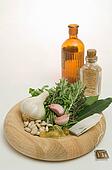
4. Garlic: Raw garlic could quite possibly be the best herb to have available in an emergency situation. Its antibacterial properties are second to none when it comes to fighting infections. It can be applied topically to kill infection at the site as well as ingested internally to fight bacteria from the inside out. Here we will list some of the uses for garlic that would be most helpful where traditional treatment is not available.

USES:
Toothaches – Crushed raw garlic applied directly to the problem tooth and surrounding gum areas has been said to kill infection on contact. It will be a little painful at first because the potency of raw garlic tends to burn a little (especially on sensitive skin such as gums) but you’re essentially trading a little bit of pain now for a lot of relief later. If you can stand the burn, it’s well worth it to resolve pain and infection and prevent the possible loss of a tooth later in the even that no dentist is available for an extended period of time.
Earaches – To relieve pain from an earache, simply pierce a liquid garlic capsule and let a couple drops drip into your ear. Lay down on your side for about 5 minutes to let the liquid make it’s way into the ear canal. The pain and infection should subside within hours.

Respiratory Problems – Place a couple of cloves of raw garlic into a sock or other breathable sac, either lay down with garlic sac close to your head or tie it around your neck. This method has been reported to help relieve asthma attacks and allergies. Another method is to chop the garlic and place into a bowl or pot of extremely hot water. Sit over the steamy garlic water with a towel on your head to help the steam enter your nasal passages. This method helps to clear up sinus infections and easy sinus pressure as well as to ridding the lungs of infection and respiratory irritation.

Click to show "Cayenne pepper" result 305. Cayenne Pepper: Cayenne pepper is an herb derived from the chili pepper. Although most of us think of cayenne pepper as a cooking spice, uses of the herb reach far beyond the kitchen. It is considered one of the best crisis herbs available as its many life saving properties work instantly, making it an invaluable herb to have on hand for emergencies


USES:
Heart attacks – If the victim is still breathing have them drink a cup of cayenne tea (a teaspoon of cayenne in a cup of hot water) and it has been reported stop the attack dead in its tracks.

Hemorrhaging – Cayenne is an extremely effective pain killer or anesthetic and can be applied directly to even the deepest cuts or wounds to stop bleeding, fight infection and promote healing. Although you will experience discomfort at the onset, prolonged exposure deadens the nerves to pain.
Convulsions – Traumatic experiences whether physical or emotional can send some adults and children into a state of shock and sometimes even trigger convulsions. Cayenne pepper can help offset these detrimental effects if not eliminate them completely.

*** Cayenne used in combination with caffeine has been reported to cause discomfort among some people.

We can not provide you with medical advice, dosage information, potential drug/herb reactions, or assistance with questions relating to injury, illness, etc. We are not licensed practitioners, pharmacists, or researchers. We are legally restricted from answering your health related questions. The information contained on this website has not been evaluated by the U.S. Food and Drug Administration . The information provided by Survival Spot is not presented with the intention of diagnosing any disease or condition or prescribing any treatment. It is offered as information only, for use in the maintenance and promotion of good health in cooperation with a licensed medical practitioner.

***This article was contributed by Chrystle Poss a.k.a. “Survival Girl”, a Survival Spot Blog Guest Author and devoted Prepper. She has been writing articles on survival and emergency preparedness since 2006. You can find her work on various websites and publications

 http://ipreping.blogspot.com/2012/05/medicine-man.html

Thursday, May 10, 2012

GREEN SUPER FOODS


By  'Food Matters'
http://www.foodmatters.tv/Health_Resources/Green_Superfoods

Greens are good, Green Super foods are even better! Green super foods have the highest concentrations of easily digestible nutrients, fat burning compounds, vitamins and minerals to protect and heal the body. They contain a wide array of beneficial substances including proteins, protective photo-chemicals and healthy bacteria helping you to build cleaner muscles and tissues, aid your digestive system function and more effectively protect you against disease and illness.

Green super foods are extremely rich in chlorophyll - the pigment that gives plants their green color. The molecular structure of chlorophyll is very similar to that of human blood and studies show that when this is consumed, the production of hemoglobin in blood is increased. Higher amounts of hemoglobin in the bloodstream means more oxygen-rich blood, the first and most important element that cells need to thrive.

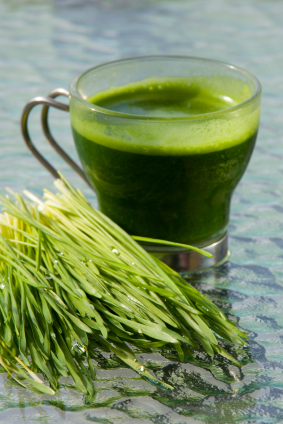
Wheat grass - Wheat grass is the sprouted grass of a wheat seed. Unlike the whole grain, because it has been sprouted, it no longer contains gluten or other common allergic agents. Wheat grass is super alkalizing and is excellent for promoting healthy blood. It normalizes the thyroid gland to stimulate metabolism thus assisting digestion and promoting weight loss due also to its high enzyme content and cleansing effect.

Barley grass - Barley grass has 11 times more calcium than cows milk, 5 times more iron than spinach and 7 times more Vitamin C and bio-flavonoids than orange juice. It contains significant amounts of Vitamin B12 which is very important in a vegetarian diet. Barley grass juice has anti-viral activities and neutralizes heavy metals such as mercury in the blood.

Wild blue-green algae - Algae was the first form of life on Earth and its power is immense. Wild blue-green algae is a phyto-plankton and contains virtually every nutrient. With a 60% protein content and a more complete amino acid profile than beef or soy beans. It contains one of the best known food sources of beta carotene, B vitamins and chlorophyll. It has been shown to improve brain function and memory, strengthen the immune system and help with viruses, colds and flu.

Spirulina - Spirulina is a cultivated micro-algae which has been consumed for thousands of years by the indigenous peoples in Mexico and Africa. It is one of the highest known protein sources on Earth and contains 70% complete protein, towering over steak which consists of only 25% protein once cooked. Studies have shown that spirulina can help control blood sugar levels and cravings thus making it a key food for diabetics, and can be used to assist in weight loss and as a general nutritional supplement.

Chlorella - Chlorella is a fresh water algae and like its other algae cousins contains a complete protein profile, all the B vitamins, vitamin C and E and many minerals. It is amazing for the immune system and for reducing cholesterol and preventing the hardening of the arteries, a precursor to heart attacks and strokes.

Green leafy vegetables - Green leafy vegetables are so readily available and so highly nutritious, however most people do not eat enough of them. Studies continuously confirm that populations that eat a diet high in green leafy vegetables run a far lower risk of heart disease and cancer. Fresh raw green leafy vegetables contain high doses of chlorophyll, easily digestible proteins, enzymes and a wide range of vitamins and minerals. These particular vegetables act as mini-transfusions for the blood, a health tonic for the brain and immune system and a cleanser of the kidneys. Try any of the following: rocket, spinach, dandelion greens, kale, watercress, parsley, lettuce, endive, chicory, broccoli sprouts and mustard sprouts.