We
use water for everything, from cooking, cleaning the dishes, cleaning
our bodies, brushing our teeth and for drinking. In the event of a
natural emergency such as a hurricane or tornado, water can be
interrupted for days, even weeks. Water is one of the first items to
disappear off the store shelves when a disaster threatens. Usually,
before, during and after a disaster, stores will not be able to keep
water stocked due to the high demand. Without water to drink,
dehydration sets in, the body starts shutting down and then … well it
isn’t good. A human can die in a few days without any water. Having safe
drinking water is a top priority when it comes to storing supplies in
the event of an emergency.
Drinking water is the best way to keep
the body hydrated. Caffeinated beverages such as coffees and teas only
make the body want for more water. Carbonated beverages are also not a
good idea to drink as they dehydrate the body. Potable water is water
safe for human consumption. It is free of disease causing
microorganisms, poisonous substances, minerals, and organic matter,
chemical, biological and radioactive substances.
How Much Water Do I Need?
Disaster officials suggest having a 3 day water supply and further recommends having 1 gallon of water per person per day.
Play
it safe and buy 2 gallons per person. The extra water can always be
used for other purposes. Using disposable cups, plates and utensils will
cut down on using water for cleaning.
Wet wipes are a big part of my storage, there uses are many!
Safely Storing Emergency Water
Keep your emergency water supply safe. When storing water follow these tips:
- Keep emergency water in a cool, dark place in your home, each vehicle, and your workplace.
- It’s best to use bottled water. Use water before the expiration or “use-by” date stamped on the container.
- It’s
possible to keep water in food-grade containers intended for water
storage. Containers must be thoroughly washed, sanitized, and rinsed.
Only store clean, ready-to-drink water. Tap water will probably need to
be purified. Ask public health authorities or your water provider
whether tap water should be used and how to treat it. Do not use milk
or juice containers for storing water. Even if you try to thoroughly
clean these plastic containers, left over sugars and proteins provide
perfect places for bacteria to grow.
- Plastic soft drink containers can be used in a pinch. Clean and sanitize containers before they are used.
Protect Your Water Sources
If
there are reports of broken water or sewage lines or if local
authorities advise you there is a problem, steps should be taken to
protect your water sources.
To close the incoming water source,
locate the incoming valve and turn it to the closed position. Be sure
you and other family members know how to perform this important
procedure.
How Do I Find More Water?
When
water runs out, the race is on to find available and safe drinking
water. There are places around the house where safe drinking water can
be found.
Safe Sources
- Melted ice cubes
- Water drained from the water heater (if the water heater has not been damaged)
- Liquids from canned goods such as fruit or vegetable juices
- Water drained from pipes
- To
use the water in your pipes, let air into the plumbing by turning on
the faucet in your home at the highest level. A small amount of water
will trickle out. Then obtain water from the lowest faucet in the home.
- To
use the water in your hot-water tank, be sure the electricity or gas is
off, and open the drain at the bottom of the tank. Start the water
flowing by turning off the water intake valve at the tank and turning on
the hot water faucet. Refill the tank before turning the gas or
electricity back on. If the gas is turned off, a professional will be
needed to turn it back on.
Unsafe Sources
- Radiators
- Hot water boilers (home heating system)
- Water beds (fungicides added to the water or chemicals in the vinyl may make water unsafe to use)
- Water from the toilet bowl or flush tank
- Swimming
pools and spas (chemicals used to kill germs are too concentrated for
safe drinking but can be used for personal hygiene, cleaning, and
related uses
Rain, clean snow, lakes, ponds and
other natural water sources are another type of water source to find
drinking water. However, the water must be treated in order to drink.
The U.S. EPA states that 90% of the world’s natural water supply is
contaminated. Drink water that you know is not contaminated. If any
water looks suspicious, put it aside and drink the good water first. If
the suspicious looking water is going to be used, it should be treated.
When to Treat Water
Water
is only as safe as its source. When there is any doubt about the
quality of water to drink, treat it. It is better to be safe than to
have the possibility of ingesting unsafe drinking water. Treating the
water will eliminate any microorganisms and the possibility of
contaminants in the water. Microorganisms such as protozoa s, bacteria
and viruses can make a person very ill. Some cases of water
contamination have even caused death. If someone suspects they have
ingested contaminated drinking water, some of the symptoms include:
- Severe Gas
- Diarrhea
- Vomiting
- Severe Abdominal Cramps
- Headache
- Weakness Due to The Above Symptoms
Epidemics
such as Cholera and Typhoid have begun as a result of contaminated
drinking water. Making sure the water is safe is not only safe for the
person consuming it, but also for the people in your local area.
There are three types of treatments for water:
Boiling
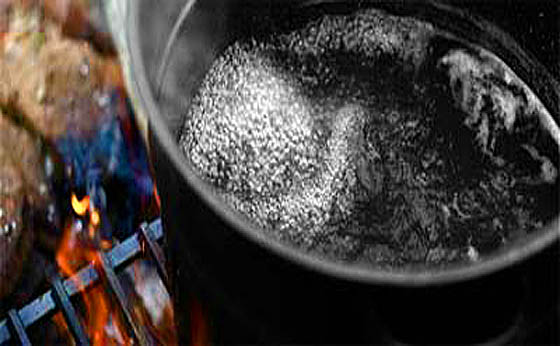
is the easiest and safest method of treating water. Boil the water to a
rolling boil for 1 full minute, keeping in mind that some water will
evaporate. Let the water cool before drinking. Boiled water will taste
better if you put oxygen back into it by pouring the water back and
forth between two clean containers. This also will improve the taste of
stored water.
Distillation
involves boiling water and then collecting only the vapor that
condenses. The condensed vapor will not include salt or most other
impurities. To distill, fill a pot halfway with water. Tie a cup to the
handle on the pot’s lid so that the cup will hang right-side-up when the
lid is upside-down (make sure the cup is not dangling into the water)
and boil the water for 20 minutes. The water that drips from the lid
into the cup is distilled.
Here are a few YouTube videos that would be helpful in creating a distiller for water:
Homemade Water Distiller
Solar Powered Water Distiller
If boiling water is not a possibility, then chemical disinfection is advised for water purity.
Using Bleach
- Filter the water using a piece of cloth or coffee filter to remove solid particles.
- Bring it to a rolling boil for about one full minute.
- Let it cool at least 30 minutes. Water must be cool or the chlorine treatment described below will be useless.
- Add
16 drops of liquid chlorine bleach per gallon of water, or 8 drops per
2-liter bottle of water. Stir to mix. Sodium hypochlorite of the
concentration of 5.25% to 6% should be the only active ingredient in the
bleach. There should not be any added soap or fragrances. A major
bleach manufacturer has also added Sodium Hydroxide as an active
ingredient, which they state does not pose a health risk for water
treatment. Make sure the bleach is fragrance free before it is used.
- Let stand 30 minutes.
- If
it smells of chlorine. You can use it. If it does not smell of
chlorine, add 16 more drops of chlorine bleach per gallon of water (or 8
drops per 2-liter bottle of water), let stand 30 minutes, and smell it
again. If it smells of chlorine, you can use it. If it does not smell of
chlorine, discard it and find another source of water.
Iodine tablets
Iodine
must be stored in a dark container so that sunlight does not ruin the
tablets. Iodine has been shown to be more effective than chlorine
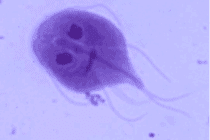
treatments and inactivate Giardia. Follow the recommended instructions
suggested by the manufacturer.
Beware, some people are allergic to iodine and would not be able to use this form of water purification.
Persons with thyroid problems or on lithum, women over fifty, and
pregnant women should consult their physician prior to using iodine for
purification. Also, some people who are allergic to shellfish are also
allergic to iodine. If someone cannot use iodine, use another method.
Camping Trick: If a person adds a Vitamin C tablet to the water, the
choline taste vanishes. Make sure the purification treatment has
finished before adding the Vitamin C.
Chlorine tablets
Chlorine
can be used for persons with iodine allergies or restrictions. Follow
the instructions recommended by the manufacturer. Chlorine can be used
for persons with iodine allergies or restrictions. Camping Trick: If a
person adds a Vitamin C tablet to the water, the choline taste
vanishes. Make sure the purification treatment has finished before
adding the Vitamin C.
Micropur tablets
They
are the only disinfection system effective against viruses, bacteria,
cryptosporidium, and Giardia. Follow the instructions recommended by
the manufacturer. These tablets have no residual chemical taste. 1
tablet is used to purify 1 quart of water.
Wells and Aquifers
If
there is time before the emergency disaster, attempt to plug or cap the
well to reduce the potential for damage and contamination.
After
the disaster, go to the well or aquifer and check for the possibility
of contamination and investigate the area to access the situation.
Check the following:
- Surface water running into or collecting near the Well.
- A
defective or improperly installed Well Casing, cover or pipe connection
which would allow surface water, animals, insects or plant material to
enter the Well. (Well casing not sealed).
- Nearby septic systems or manure piles, which as within 30M (100 ft) of the well.
- Openings in the well seal.
- Well casing not being deep enough.
- If any of these has occurred, treat any water that comes from the well.
- A source of contamination not related to the Well Construction.
Water Pumps and Filters
Anytime
that water for the home has been interrupted, it is a good idea to use a
good water pump to prevent from ingesting harmful parasites. If you
are out in nature and need to purify water, try and find a running water
source as opposed to a standing water source. Using a water
purification tablets in conjunction with a water pump is a good way of
making sure that water is potable and ready to drink. Water pumps have
been known to not remove viruses and at times giardia cysts,
therefore if at all possible, treat the water if there is any doubt.
Water
pumps come in all shapes and sizes. The better the water pump, the
better the water is not always the case. Here are some things to look
for when purchasing a water filtration system.
- Find a filtration system that captures bacterias and have effective filters to capture cryptosporidium and giardia.
- Output or how long it takes to produce an amount of water and how much physical effort is involved from pumping.
- Try and find a filter that can attach directly to your bottle.
Read about reviews of the different types of water filters to find the best one that fits your needs.
Water
is essential to maintaining health and body regulation. Emergency
experts suggest having a 3 day water supply in the case of an
emergency. There may be times when the emergencies last longer than
three days, so plan accordingly. Keep water stored in a dark area in
food grade containers. Have a list of water sources in the home that
can be used in the event that more safe water is needed. Using the
three types of water treatment (boiling, distilling or chemically
treating) can assist in eliminating any harmful organisms, bacterias or
viruses. Treat any outside water source as if it is unsafe. Using a
water pump or water filter can treat the water effectively to make it a
safer water source. If these water suggestions are used appropriately,
you and your family will have “some quality H2O.”
Author: Tess Pennington



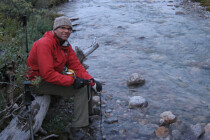 Choosing a good water source or having a water purification system before you drink “Unknown Water”
could mean the difference between life and death. We cannot stress
enough how important it is to take the time and use the proper methods
and tools to make sure your drinking is safe.
Choosing a good water source or having a water purification system before you drink “Unknown Water”
could mean the difference between life and death. We cannot stress
enough how important it is to take the time and use the proper methods
and tools to make sure your drinking is safe. 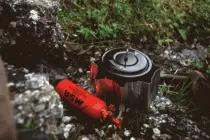

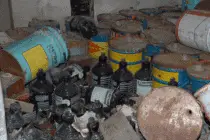 Chemicals: This includes lead, petroleum, fertilizers, insecticides and industrial waste. Symptoms can vary significantly and may manifest quickly (such as from chemical agents present in insecticides
which are often slightly modified nerve agents) or slowly depending on
amount and concentration of the chemical (even small amounts of lead
over time can cause chronic problems as a quick google search will
reveal).
Chemicals: This includes lead, petroleum, fertilizers, insecticides and industrial waste. Symptoms can vary significantly and may manifest quickly (such as from chemical agents present in insecticides
which are often slightly modified nerve agents) or slowly depending on
amount and concentration of the chemical (even small amounts of lead
over time can cause chronic problems as a quick google search will
reveal).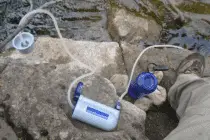 Survival Precautions


 The Advanced Seychelle Filtration Replacement Filter removes up to
99.9999% of viruses, contaminants and pollutants found in drinking water
sources using its proprietary Ionic Adsorption Micron Filtration
System. The replacement filter easily screws into bottle cap for
convenient replacement. This replacement filter works on the following products:
Seychelle Water Filtration Bottle 24oz
Seychelle Water Filtration Bottle 28oz
Seychelle Water Filtration Pump.
The Advanced Seychelle Filtration Replacement Filter removes up to
99.9999% of viruses, contaminants and pollutants found in drinking water
sources using its proprietary Ionic Adsorption Micron Filtration
System. The replacement filter easily screws into bottle cap for
convenient replacement. This replacement filter works on the following products:
Seychelle Water Filtration Bottle 24oz
Seychelle Water Filtration Bottle 28oz
Seychelle Water Filtration Pump.